
Telescopes
Choosing Your First Telescope: Refractors, Reflectors, and What to Avoid
A comparison of entry-level designs with notes on aperture, mount type, and where to buy in Romania.
Amateur Astronomy · Romania
Telescope comparisons, low-light location notes, and app breakdowns collected from observations across Romania's mountain regions.
Recent Articles
Telescopes
A comparison of entry-level designs with notes on aperture, mount type, and where to buy in Romania.

Locations
Bortle ratings, access notes, and seasonal visibility windows for five verified low-light sites.

Tools & Apps
Side-by-side notes on accuracy, offline capability, and interface for the most-used mobile planetarium apps.
Several mountain areas — Retezat, Apuseni, Bucegi — regularly record Bortle Class 3 or lower. That means the Milky Way's dust lanes are plainly visible to the naked eye on clear moonless nights in late summer and autumn.
Location notesQuick Reference
Telescope aperture
70–80mm refractors show lunar craters and Saturn's rings clearly. 100mm Dobsonians start resolving globular clusters.

Mount type
Alt-azimuth mounts are simpler to set up. Equatorial mounts allow basic tracking but add complexity for newcomers.

Best first targets
The Moon, Jupiter's moons, Saturn's rings, the Orion Nebula, and the Pleiades are reliably rewarding with modest equipment.

Light pollution
Use the Light Pollution Map before planning a trip. Even 50 km from Bucharest the sky improves noticeably.
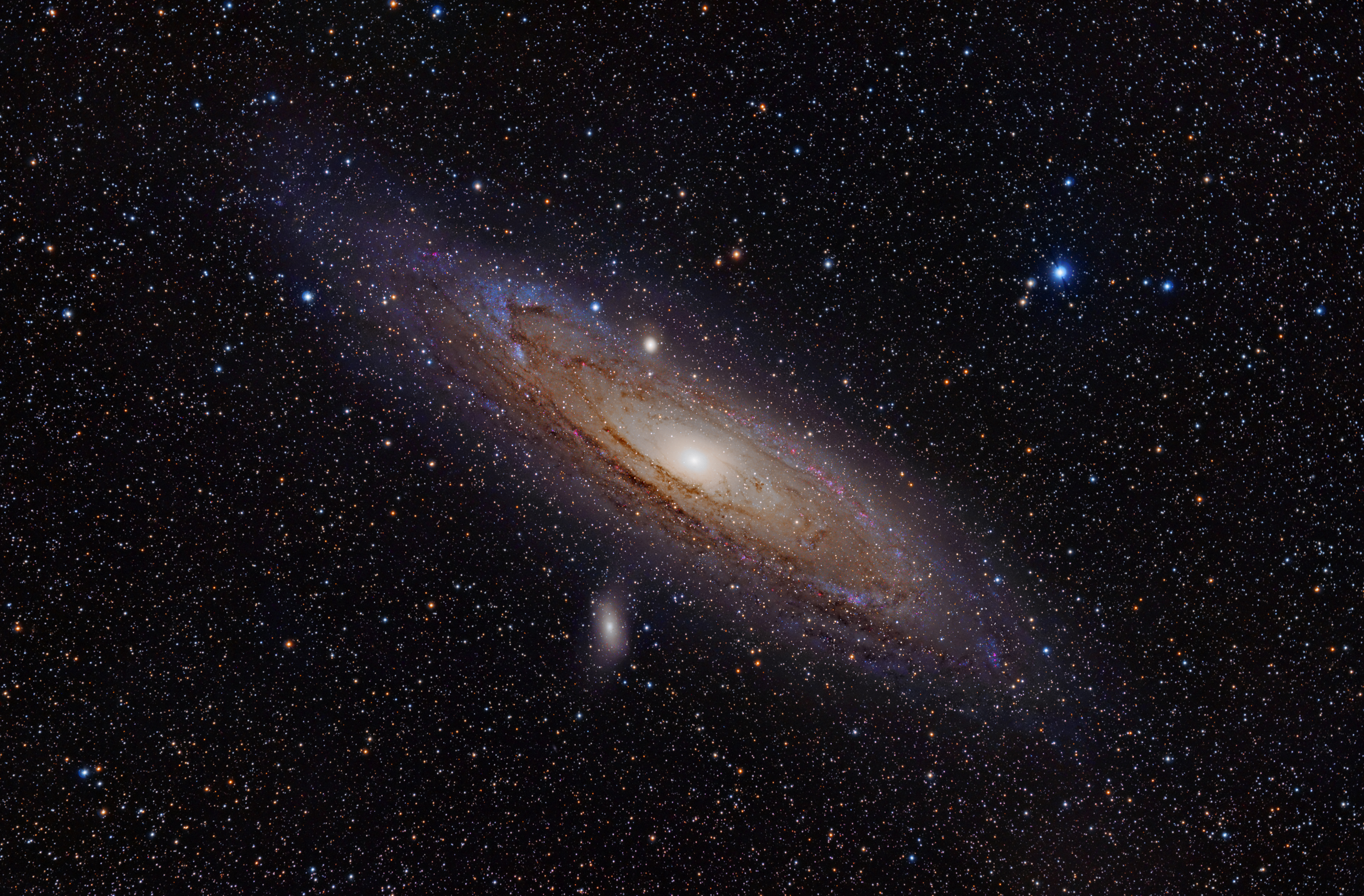
At Bortle 4 or below, M31 appears as an elongated smudge about 3° across — six times the apparent width of a full moon. Under Bortle 3 skies its dust lanes become faintly discernible to dark-adapted eyes.
Where to goContact